
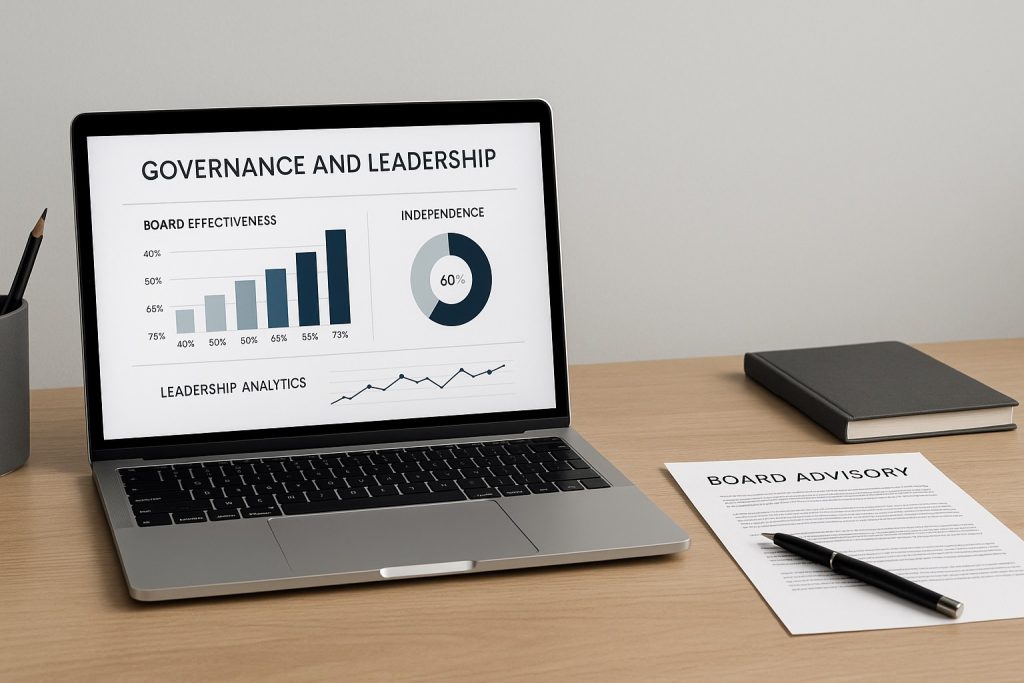
You add strategic value as an independent director by strengthening oversight, guiding long-term direction, improving governance quality, and helping management make better decisions. Your influence comes from objective judgment, disciplined boardroom conduct, and data-driven input that elevates performance across the organization.
In this guide, you gain a clear, actionable system to elevate your board effectiveness. You see how to apply strategic thinking, risk awareness, and governance discipline to support CEOs, board chairs, and other directors. Each strategy reflects real boardroom priorities, modern advisory expectations, and the performance standards used by high-impact independent directors.
Strengthen Oversight with Data-Driven Governance
Your role starts with disciplined oversight supported by high-quality data. You elevate board decision-making when you anchor discussions in verified metrics, measurable outcomes, and reliable reporting cycles. This gives your board the clarity required to monitor performance without drifting into operational management.
You examine financial statements, risk dashboards, and audit reports with an objective lens. You pay close attention to patterns, deviations, and leading indicators that signal performance health. This analytical depth enables you to challenge assumptions respectfully and ask clarifying questions that sharpen the quality of board conversations.
You also reinforce accountability across committees by aligning governance processes with measurable expectations. When oversight is grounded in reliable information, the board operates with precision. Your presence helps prevent blind spots, strengthens fiduciary judgment, and promotes financial discipline.
Guide Strategy with Independent Judgment
Boards rely on you to challenge strategic assumptions with clear thinking and independent judgment. You add value when you test management’s growth plans against market reality, competitor movement, and execution capacity. This strategic review helps prevent overreach and ensures the organization scales responsibly.
You analyze long-term objectives through scenario reviews and stress testing. You examine capital allocation choices, product decisions, and expansion plans through a balanced risk-reward lens. Your strategic input does not direct day-to-day actions but strengthens the board’s ability to endorse the right long-term path.
Your independence gives you the freedom to ask direct questions and offer alternative ways of thinking. This creates stronger alignment with the company’s mission, financial health, and growth potential. Your measured judgment strengthens the strategic backbone of the board.
Elevate Decision-Making Through Risk Intelligence
Risk oversight is one of your most critical responsibilities. You ensure the board identifies emerging threats early—cyber risks, compliance exposure, operational vulnerabilities, and financial pressures. A strong independent director anticipates disruptions and encourages leadership to plan proactively.
You evaluate risk registers, internal audit updates, and management controls to identify weak points. You study industry risk reports and regulatory expectations to compare the company’s exposure with peer benchmarks. This awareness helps guide conversations toward mitigation, not reaction.
You also examine how culture influences risk behavior. You watch for signs of overconfidence, information gaps, or insufficient challenge within management teams. Your risk intelligence strengthens resilience, improves internal controls, and supports smarter decisions in periods of uncertainty.
Strengthen Board Dynamics Through Constructive Challenge
Your responsibility extends beyond strategy and oversight—you also influence how the board functions. Strong board dynamics require directors who challenge ideas while maintaining respect and professionalism. You help elevate the quality of interactions by bringing clarity, presence, and emotional discipline.
You support productive dialogue by keeping discussions focused on outcomes rather than personalities. When conversations drift, you redirect them toward measurable objectives. This keeps the board efficient and prevents meetings from becoming unfocused or overly tactical.
You also reinforce the value of diverse thinking. When others hesitate, your thoughtful contribution encourages broader participation. Your steady engagement raises the entire board’s performance and builds trust with fellow directors and executive leaders.
Provide Market and Industry Foresight
Your independent view of the market gives the board a stronger grasp of competitive shifts, regulatory trends, and technological developments. You add value when you interpret what is happening outside the company and translate it into actionable guidance inside the boardroom.
You study industry performance, capital flows, and customer behavior patterns. You review analyst reports, market forecasts, and macroeconomic indicators to provide a wider lens. This helps the board avoid insular thinking and maintain alignment with long-term opportunities.
You also highlight adjacent market threats or gaps that leadership may overlook. Your foresight allows the board to adapt and prioritize strategic moves, ensuring the business stays relevant, resilient, and focused on the right areas.
Improve Governance Through Committee Leadership
Committee work is where independent directors often deliver their strongest contributions. Whether you serve on the audit, risk, nomination, or compensation committee, your discipline strengthens oversight and ensures governance quality meets modern expectations.
You review charters, reporting cycles, and committee priorities to confirm alignment with board objectives. Your presence supports transparency, encourages procedural rigor, and improves documentation quality. Committees rely on you to keep discussions focused and outcomes measurable.
You also help build continuity between committees and the full board. Your clear communication ensures information flows smoothly, reducing confusion and improving decision-making across all governance functions. Your reliability enhances the board’s long-term effectiveness.
Support Management with Objective Guidance
Independent directors walk a careful line between oversight and partnership. You add immense value when you give CEOs and executives access to your experience without overshadowing their authority. Your job is to strengthen their thinking, not direct their operations.
You provide clarity during moments of uncertainty by offering grounded, experience-based perspectives. You help management evaluate high-stakes decisions, refine messaging, and anticipate reactions from shareholders or regulators. Your objectivity becomes a stabilizing force during difficult periods.
You also champion leadership development by helping executives strengthen decision processes, improve communication, and build high-performing teams. Your guidance accelerates management maturity while keeping accountability intact.
Protect Shareholder Interests with Long-Term Discipline
You represent all shareholders, not individual stakeholders or specific agendas. This requires discipline and an unwavering focus on long-term results. Your decisions reflect what strengthens the organization five to ten years beyond the current leadership cycle.
You analyze the financial health of the business through cash flow discipline, investment decisions, and capital allocation. You evaluate how strategy, governance, and risk controls affect long-term value creation. This clarity ensures your guidance supports sustainable growth, not short-term wins.
Your presence signals accountability, transparency, and financial responsibility. Shareholders benefit from your objective thinking, your ability to challenge decisions constructively, and your consistent focus on value protection.
What Makes an Independent Director Valuable?
- Objective judgment
- Strong oversight discipline
- Strategic guidance
- Risk awareness
- Market foresight
Lead with Authority: Step Into Board Advisory Excellence
Your effectiveness as an independent director rests on disciplined oversight, strong strategic judgment, and the ability to elevate board conversations with clarity and data. You guide long-term direction, strengthen governance, and help leadership make better decisions. When you apply these strategies consistently, you deliver measurable value to shareholders and build a reputation for reliability and impact. Your presence becomes a performance advantage for any board seeking stronger guidance and sharper decision-making.